Living more sustainably is a goal many of us share, but it can seem overwhelming to know where to start. One of the simplest and most effective ways to make a positive impact is by reducing household waste. Not only does this benefit the environment, but it can also help save money and create a healthier home. In this post, we’ll explore practical, easy-to-follow strategies to reduce waste and live a greener life.
Why Reducing Household Waste Matters
Household waste contributes significantly to landfill space, pollution, and resource depletion. By cutting down on what we throw away, we conserve natural resources, reduce pollution, and help combat climate change. Small changes in daily habits collectively make a big difference.
Start with Waste Sorting and Recycling
Know What Can Be Recycled
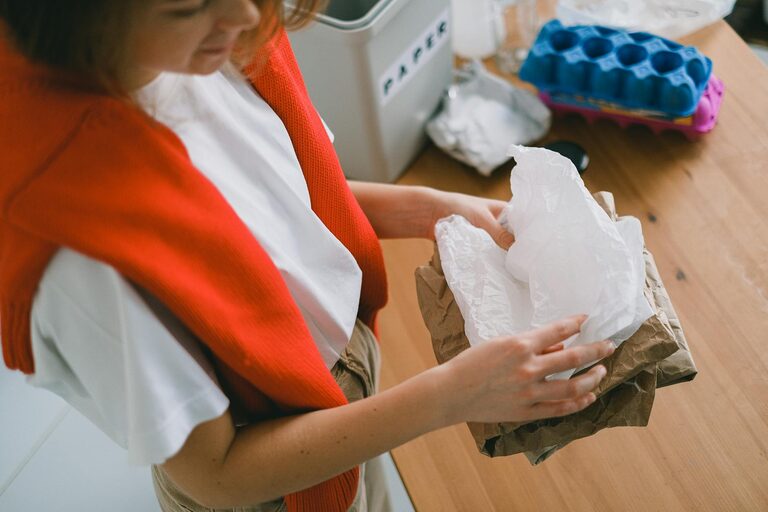
Recycling is a key step in waste reduction, but it only works effectively if done correctly. Familiarise yourself with your local council’s recycling guidelines – they usually have specific lists of materials they accept.
– Separate paper, plastic, glass, and metal into different bins at home.
– Rinse containers to avoid contamination.
– Avoid putting food waste or non-recyclables in the recycling bin.
Make Recycling Convenient
Place recycling bins in accessible spots, such as the kitchen or utility room, to encourage regular use. Clear labelling on bins can help everyone in your home recycle properly.
Adopt Reusable Alternatives
Cut Down on Single-Use Plastics
Single-use plastics like bags, bottles, and straws are a major source of waste. Replace these with reusable options:
– Use cloth or canvas bags for shopping.
– Invest in refillable water bottles and coffee cups.
– Carry reusable cutlery and containers for takeaways.
Choose Durable Household Items
When purchasing items, consider their longevity. Opt for products made from natural or durable materials instead of disposable ones, such as wooden kitchen utensils or stainless steel food containers.
Reduce Food Waste
Plan Your Meals
Planning meals ahead helps you buy only what you need, preventing excess food from spoiling. Try creating a weekly menu and shopping list to stick to essentials.
Store Food Properly
Store fruits, vegetables, and leftovers appropriately to extend freshness. Use airtight containers and fridge organisation to keep track of what you have.
Get Creative with Leftovers
Transform leftovers into new meals, soups or snacks. Compost any food waste that cannot be eaten.
Composting at Home
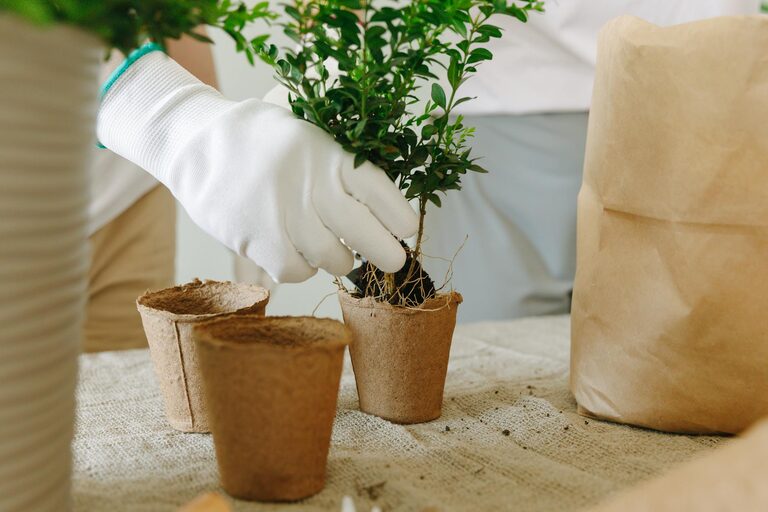
Composting organic waste turns kitchen scraps and garden waste into nutrient-rich soil for your garden. This reduces rubbish going to landfill and supports plant growth.
How to Start Composting
– Use a compost bin or pile in your garden.
– Add vegetable peels, coffee grounds, eggshells, grass clippings, and leaves.
– Avoid meat, dairy, and oily foods.
– Turn the compost regularly to aerate it.
Mindful Shopping Choices
Buy in Bulk and Minimal Packaging
Choose products with less packaging or buy in bulk using your own containers. Many shops now offer refill stations for items like grains and cleaning supplies.
Support Local and Seasonal Products
Buying locally grown, seasonal produce reduces the carbon footprint associated with transportation and often involves less packaging.
Conserve Resources
Reducing waste is also about using less in general. This can mean:
– Fixing broken items instead of replacing them.
– Using energy-efficient appliances.
– Turning off lights and taps when not needed.
– Washing clothes at lower temperatures.
Educate and Involve the Whole Household
Creating a sustainable household requires everyone’s involvement. Share these tips with family members or housemates and make waste reduction a shared goal. Encourage children to learn about recycling and sustainability through fun activities and lead by example.
Final Thoughts
Reducing household waste and living sustainably might seem challenging at first, but simple steps make a difference. By sorting waste correctly, choosing reusable products, planning meals carefully, composting, and shopping mindfully, you can contribute to a healthier planet. Start small, stay consistent, and enjoy the benefits of a greener lifestyle at home.
About the Author