
Creating a relaxing home workspace is more important than ever, especially as many people continue to work from home or balance remote work with other activities. A calm, well-organised environment not only helps reduce stress but also boosts productivity and creativity. In this post, we’ll explore practical tips and ideas to transform your home workspace into a tranquil and efficient area.
Why a Relaxing Workspace Matters
A workspace that feels cluttered or chaotic can negatively affect your concentration and motivation. When your environment is calming and comfortable, your mind can focus better, leading to improved work performance. A relaxing setup also supports your overall wellbeing by reducing tension and mental fatigue.
Choosing the Right Space
Find a Quiet Spot
Pick a location in your home where you can minimise distractions. Ideally, this should be away from noisy areas like the kitchen or living room TV. If possible, choose a room with a door so you can close yourself off when needed.
Consider Natural Light
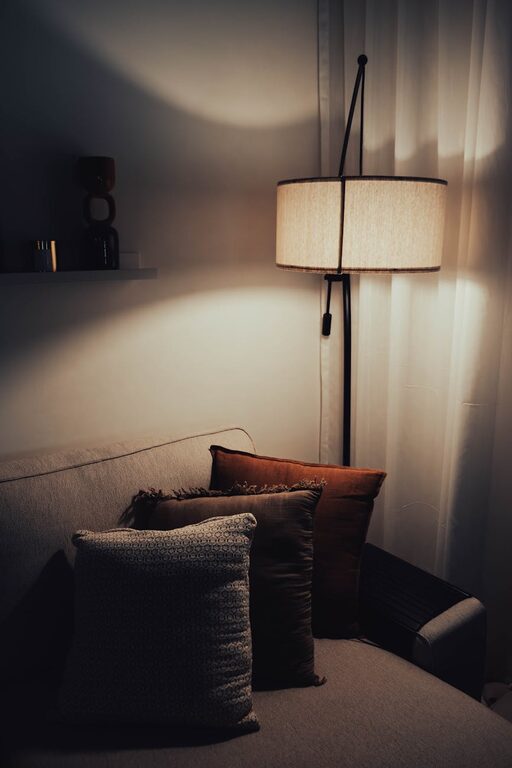
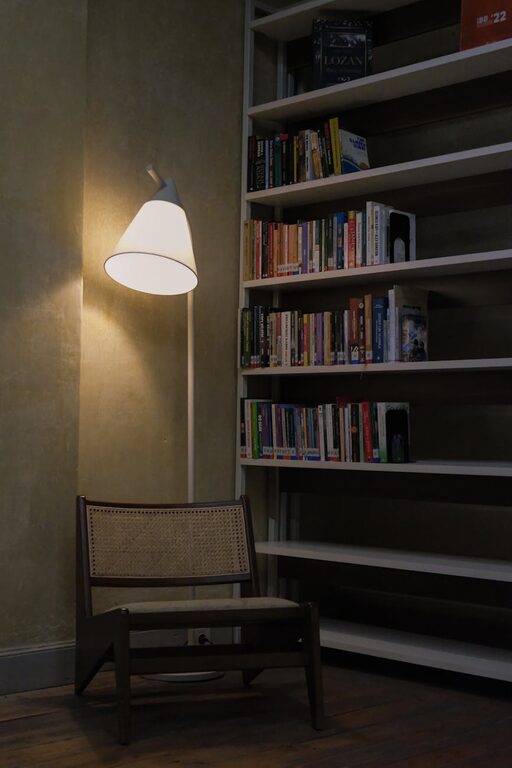
Natural light has numerous benefits, including boosting mood and energy levels. Position your desk near a window to make the most of daylight. If natural light is limited, invest in quality lighting that mimics daylight to avoid eye strain.
Organising Your Workspace
Declutter Regularly
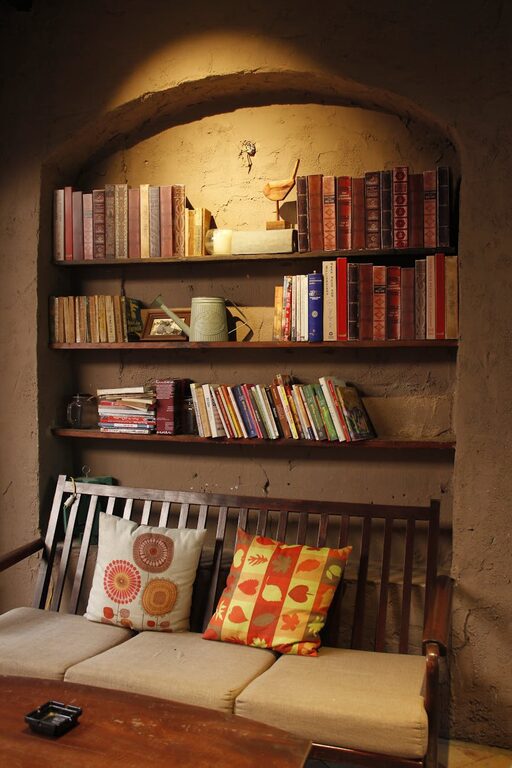
A cluttered desk can make it difficult to concentrate. Keep only essential items within reach and store the rest away. Use desk organisers, drawers, or shelves to keep your space tidy.
Prioritise Comfort
Choose an ergonomic chair that supports your back and promotes good posture. Arrange your monitor so it’s at eye level to prevent neck strain. Comfortable seating and correct desk height are crucial for long work sessions.
Personalise Your Space
Add elements that make you feel calm and motivated. This could be a favourite plant, a framed photo, or artwork. However, avoid overcrowding your desk to maintain a neat environment.
Creating a Soothing Atmosphere
Use Calming Colours
Soft, neutral colours like pale blues, greens, or greys can help create a peaceful vibe. You might want to paint your workspace walls or use accessories in these shades.
Introduce Plants
Indoor plants not only look nice but help improve air quality and reduce stress. Popular easy-care options include snake plants, succulents, or spider plants.
Manage Noise
If you can’t control background noise, use noise-cancelling headphones or play gentle instrumental music to help maintain focus.
Incorporating Break and Movement Areas
Designate a Break Zone
If space allows, set up a small area with a comfortable chair or cushion where you can step away from your desk for short breaks. This helps refresh your mind and avoids burnout.
Include Movement
Regular movement is essential for your physical and mental health. Place a yoga mat or resistance bands nearby to encourage stretching or quick exercises during breaks.
Maintain Healthy Habits
Keep Hydrated and Eat Well
Keep a water bottle at your desk and eat nutritious snacks to stay energised. Avoid sugary or heavy meals that can lead to energy crashes.
Set a Routine
Establish a regular working schedule with clear start and finish times. Include short breaks to move and relax your eyes.
Limit Screen Time
Take regular moments to look away from your screen and focus on distant objects to reduce eye strain. Consider apps or settings that reduce blue light, especially in the evening.
Final Thoughts
Creating a relaxing home workspace doesn’t require a major overhaul. Small changes like decluttering, adding plants, improving lighting, and personalising your space can make a big difference. A calm environment supports productivity while promoting your wellbeing, helping you enjoy your workday more.
Try incorporating some of these tips into your home workspace, and notice how a peaceful, organised setting can transform your productivity and mood.
About the Author