
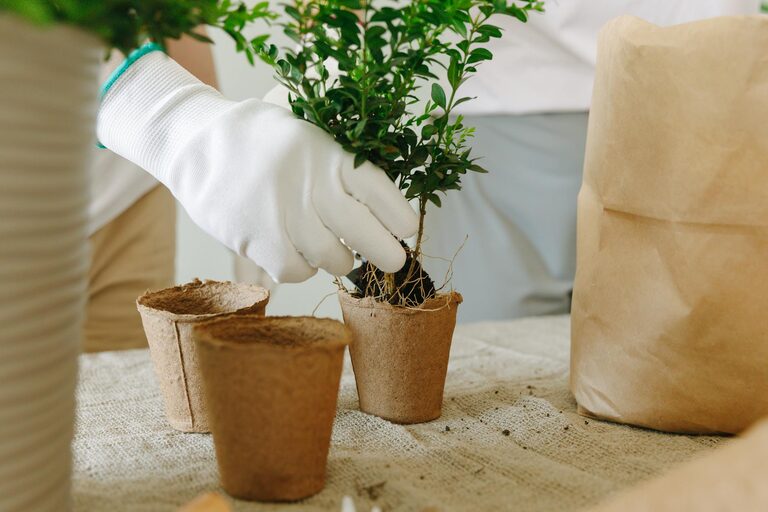
Creating a sustainable and eco-friendly home garden is a rewarding way to connect with nature, reduce your environmental impact, and enjoy fresh fruits, vegetables, and flowers all year long. Whether you have a large backyard or a small balcony, there are plenty of ways to design and maintain a garden that supports biodiversity, conserves resources, and nurtures the soil sustainably. This guide offers useful tips to help you get started and keep your garden thriving throughout the seasons.
Why Choose a Sustainable Garden?
Sustainability in gardening means working with natural processes to grow plants, rather than relying on chemicals or wasteful practices. By caring for your garden sustainably, you:
– Support wildlife, including pollinators like bees and butterflies
– Reduce waste through composting and recycling organic matter
– Save water and energy by using efficient techniques
– Improve soil health naturally
– Avoid harmful pesticides and fertilisers
All these steps lead to a healthier garden and a positive impact on the environment.
Planning Your Eco-Friendly Garden
Select Native and Climate-Appropriate Plants
Choosing plants that naturally grow well in your local climate is one of the best ways to create a sustainable garden. Native plants are adapted to local soil and weather conditions, so they need less water, fertiliser, and pest control.
– Consult local gardening centres or online resources for recommended species
– Include a mix of flowering plants to attract pollinators year-round
– Consider edible plants like herbs, fruit bushes, and vegetables suited to your area
Design for Biodiversity and Wildlife
A diverse garden encourages beneficial insects, birds, and other wildlife, which help manage pests and pollinate plants.
– Plant a variety of species with different bloom times and heights
– Create habitats like hedgerows, log piles, or birdhouses
– Avoid tidy, overly manicured spaces that lack shelter for wildlife
Plan for Year-Round Growth
To enjoy your garden throughout the year, think about planting schedules and seasons.
– Use crop rotation and succession planting for vegetables to extend harvests
– Include evergreen shrubs and winter-flowering plants to add interest when many plants are dormant
– Use raised beds or containers to protect certain plants in colder months
Soil Care and Composting
Healthy soil is the foundation of any sustainable garden.
Improve Soil Naturally
– Add organic matter such as leaf mould, garden compost, or well-rotted manure to enrich soil
– Avoid chemical fertilisers; instead, use natural amendments like seaweed extract or homemade compost tea
– Practice mulching with straw, bark, or grass clippings to retain moisture and suppress weeds
Start Composting
Composting recycles kitchen and garden waste into valuable fertiliser and reduces landfill rubbish.
– Set up a simple compost bin in a corner of your garden
– Include kitchen scraps (vegetable peelings, coffee grounds), garden clippings, and dry leaves
– Turn the pile regularly to speed up decomposition
– Use finished compost around plants to improve soil texture and nutrient content
Water Conservation Techniques
Water is often one of the most precious resources in gardening, so saving it benefits both your garden and the environment.
Collect Rainwater
– Install rain barrels or water butts to capture rain from gutters
– Use this water for watering plants during dry spells
Water Efficiently
– Water early in the morning or late in the evening to reduce evaporation
– Use drip irrigation or soaker hoses to deliver water directly to roots
– Group plants with similar water needs together
Reduce Lawn Area
Lawns often require a lot of water and chemicals. Consider reducing lawn size or replacing some areas with drought-tolerant ground covers or wildflower meadows.
Natural Pest and Weed Control
Avoid using harmful pesticides and herbicides by adopting natural strategies.
Encourage Beneficial Insects
– Plant flowers like marigolds, nasturtiums, and fennel that attract ladybirds and lacewings (natural predators of pests)
– Avoid broad-spectrum insecticides that harm these helpful creatures
Companion Planting
Many plants help each other by repelling pests or improving growth.
– For example, plant basil near tomatoes to deter aphids
– Grow garlic near roses to reduce black spot fungus
Manual Weed Control
– Mulch helps suppress weeds by blocking sunlight
– Hand-pull weeds regularly, especially before they flower and set seed
Sustainable Tools and Practices
– Choose hand tools made from durable, recyclable materials
– Repair and maintain tools to extend their lifespan
– Use natural or homemade sprays for plant diseases, such as baking soda sprays or neem oil
– Reuse materials for pots, garden markers, or plant supports wherever possible
Seasonal Tips for a Thriving Garden
Spring
– Prepare soil by adding compost and turning beds
– Sow early vegetables like peas, lettuce, and radishes
– Plant flowering bulbs and perennials for summer colour
Summer
– Mulch regularly to conserve moisture
– Harvest crops promptly to encourage more growth
– Monitor for pests and attract beneficial insects with flowers
Autumn
– Collect fallen leaves for leaf mould or mulch
– Plant cover crops like clover to protect soil over winter
– Divide and transplant perennials before winter
Winter
– Protect sensitive plants with cloches or fleece
– Plan next year’s garden based on successes and challenges this year
– Clean and store tools to prevent rust
Conclusion
Creating a sustainable, eco-friendly garden is a fulfilling project that benefits both you and the planet. By choosing the right plants, caring for soil naturally, conserving water, and encouraging wildlife, you can enjoy a thriving garden all year round. Start small, experiment, and watch your green space flourish in harmony with nature. Happy gardening!
About the Author