Working from home has become a common part of many people’s lives, and having a space that supports both productivity and relaxation is essential. A well-designed home office can help you stay focused on your tasks while also providing a calming atmosphere to reduce stress. Below are some practical tips to help you create a relaxing and productive home office environment.
Choose the Right Location
The first step in setting up your home office is selecting the best spot for it. Ideally, choose a space that is separate from high-traffic areas in your home to minimise distractions. If you don’t have a spare room, a quiet corner of a living room or bedroom can work well.
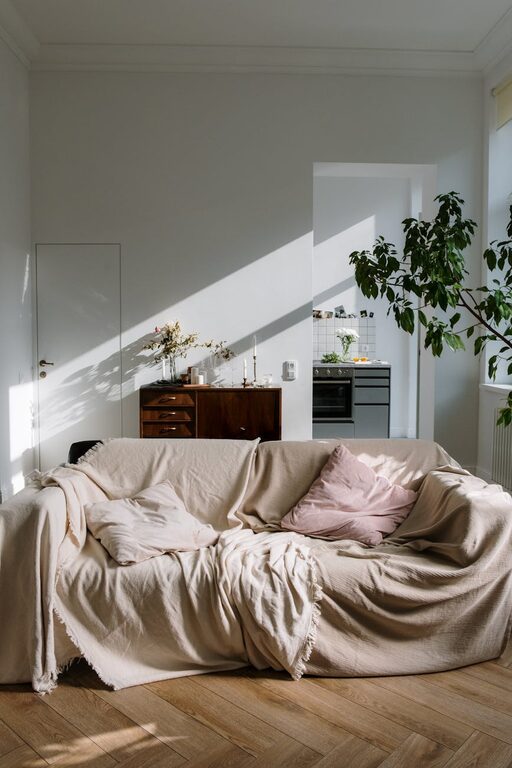
Think about natural light as well. A room with windows allows you to enjoy daylight, which can improve mood and concentration. Position your desk to benefit from this light without causing screen glare.
Invest in Comfortable and Functional Furniture
Comfort and ergonomics should be priorities when selecting office furniture. A quality chair with good lumbar support can prevent back pain and help you maintain proper posture during long work hours.
Your desk should be large enough to accommodate your computer, documents, and any other essentials you need close at hand. Adjustable desks that allow you to switch between sitting and standing can also encourage better health and productivity.
Organise Your Space Efficiently
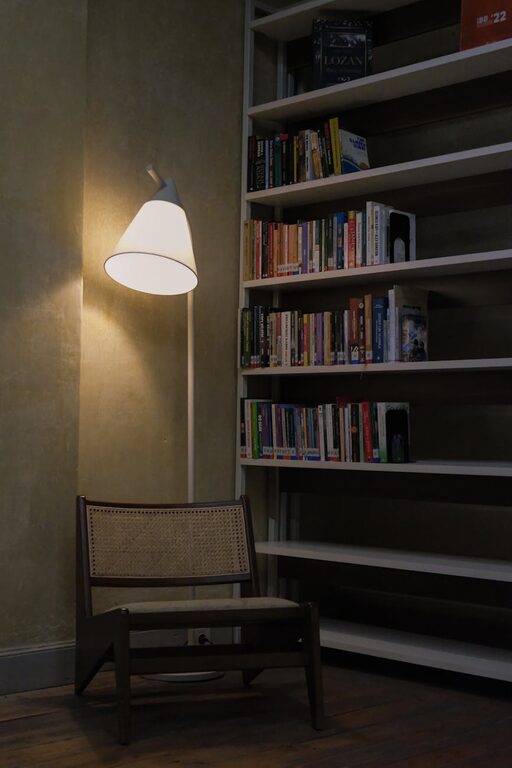
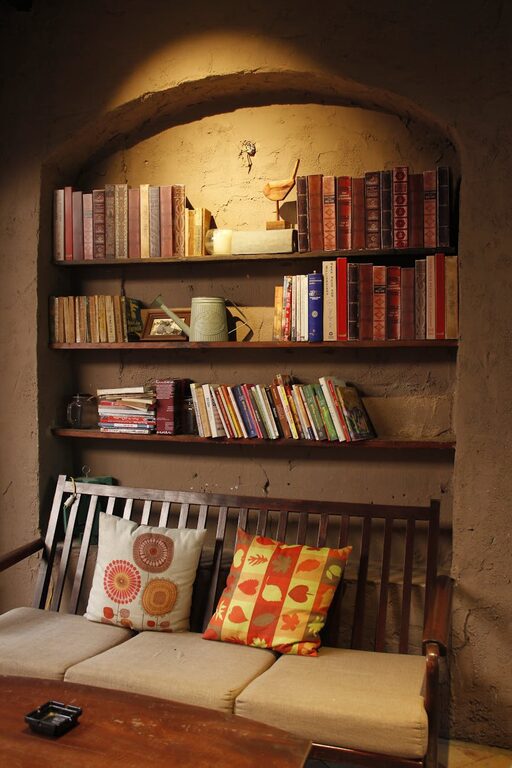
A tidy workspace promotes a clear mind. Use shelves, filing cabinets, or desk organisers to keep your documents and supplies neatly arranged. Label storage boxes to make it easier to find what you need without cluttering your desk.
Try to keep only the items you use daily on your desktop, while storing other materials out of sight. Cable organisers or clips can help keep your cords neat and minimise distractions.
Choose Calming Colours and Decor
The colours and decor of your office can have an impact on your mood. Soft, neutral colours such as pale blues, greens, or greys create a calming effect and help reduce anxiety.
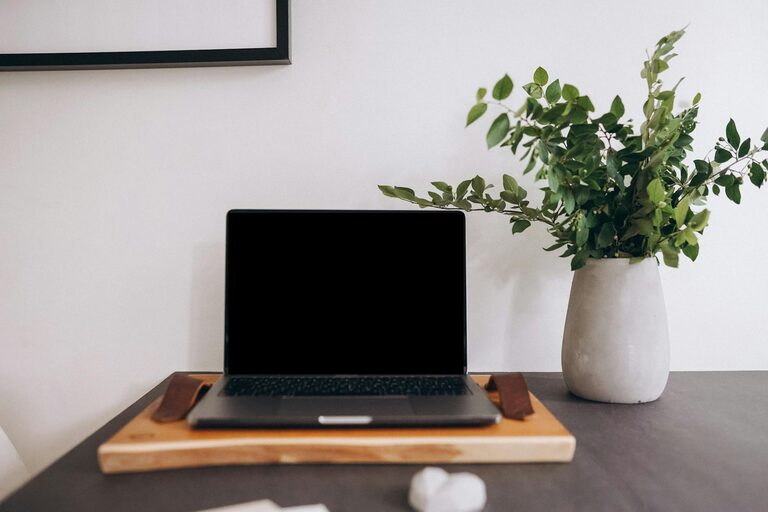
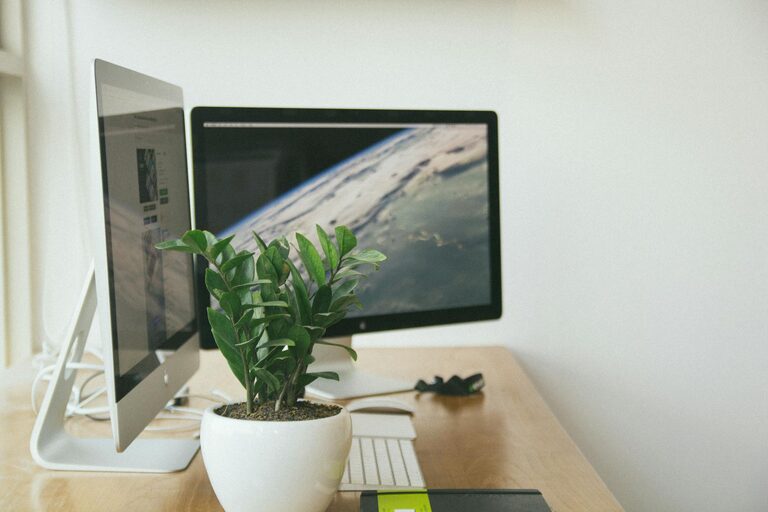
Add personal touches such as framed photos or artwork that inspire you without overwhelming the space. Plants are another great addition; they improve air quality and add a refreshing natural element to your office.
Optimise Lighting
Good lighting is crucial for both comfort and productivity. In addition to natural light, use adjustable desk lamps that provide sufficient illumination without causing glare on your screen.
Consider warm LED lights to create a cosy atmosphere rather than harsh fluorescent lighting. Position your lighting so it reduces shadows and eye strain.
Minimise Noise and Distractions
Keeping noise to a minimum helps maintain concentration. If your home is noisy, consider soundproofing options such as thick curtains, rugs, or acoustic panels.
Earplugs or noise-cancelling headphones can also help block out distractions. Communicate with family or housemates about your work schedule to reduce interruptions.
Establish Boundaries and Routine
Setting clear boundaries between work and home life is key to staying productive while maintaining relaxation. Designate your home office space as a work-only area to psychologically separate work from leisure.
Establish a daily routine similar to what you might have in a traditional office. Set regular working hours, take breaks, and avoid checking work emails or tasks outside your set schedule.
Incorporate Relaxation Techniques
To keep your mind refreshed, incorporate simple relaxation techniques into your day. Try deep breathing exercises, short stretches, or mindfulness breaks to reduce tension.
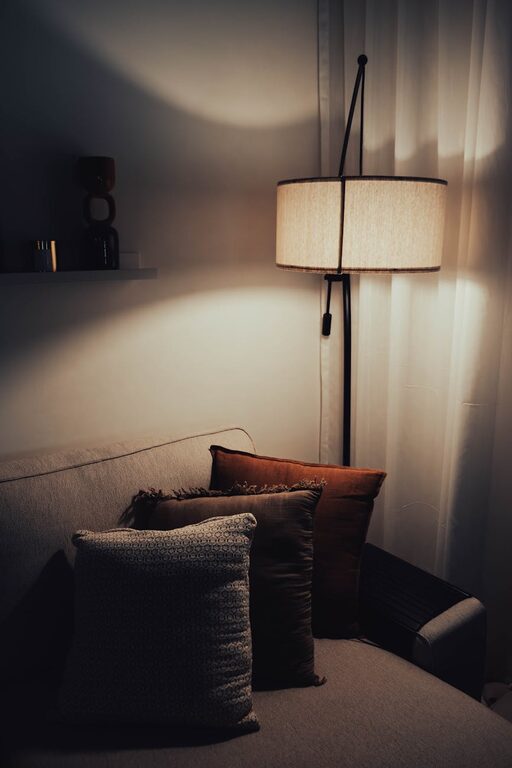
Having a comfortable chair or a small corner with cushions for quick rest can also help you recharge. Listening to soft background music or nature sounds can improve focus and reduce stress.
Utilise Technology Wisely
Technology can improve productivity but overuse may lead to distraction. Use apps and tools that block distracting websites during work hours.
Ensure your internet connection is reliable and your devices are organised to avoid frustration. Regularly update software to keep everything running smoothly.
Keep Hydrated and Nourished
Maintaining your energy throughout the day is important. Keep a water bottle at your desk to stay hydrated and avoid dehydration-related fatigue.
Prepare healthy snacks and meals to enjoy during breaks. Eating well supports concentration and overall wellbeing.
—
Creating a home office that balances productivity with relaxation takes a little planning but brings great benefits. With the right location, comfortable furniture, organisation, and mindful touches like calming colours and regular breaks, you can design a workspace that supports your best work and wellbeing. Start with these simple tips and adjust as you discover what works best for you.
About the Author