Creating a home office that is both cosy and productive can transform the way you work from home. A well-designed workspace not only enhances focus but also makes your workday more enjoyable. Whether you have a dedicated room or a small corner, with some thoughtful planning, you can create an environment that suits your needs perfectly. Here are some useful tips to help you build a home office space that balances comfort and efficiency.
Choose the Right Location
Picking the right spot for your home office is the first step. Ideally, select a quiet area away from distractions such as the television or busy household traffic. If possible, choose a room with a door you can close to separate work and home life.
If you don’t have a spare room, a corner in the living room or bedroom can work well. Try to position your desk near a window to benefit from natural light and have a pleasant view, which can help reduce eye strain and lift your mood.
Invest in Comfortable and Supportive Furniture
Comfort is key when you spend long hours working. A good ergonomic office chair can prevent back pain and improve posture. Look for adjustable chairs that provide adequate lumbar support and allow you to find your ideal sitting position.
Your desk should be the right height — about elbow level when you’re seated — to avoid unnecessary strain. If space allows, choose a desk with enough surface area to hold your computer, notebooks, and other essentials without feeling cluttered.
Personalise Your Space
Adding personal touches can make your workspace more inviting and inspire creativity. Consider hanging artwork or photos that motivate you, or adding a few plants to bring in some greenery. Plants not only improve air quality but also have a calming effect.
Use accessories such as colourful desk organisers or a favourite mug for your drinks to create a cheerful atmosphere. Just be careful not to overload the space with too many items, which can become distracting.
Optimise Lighting
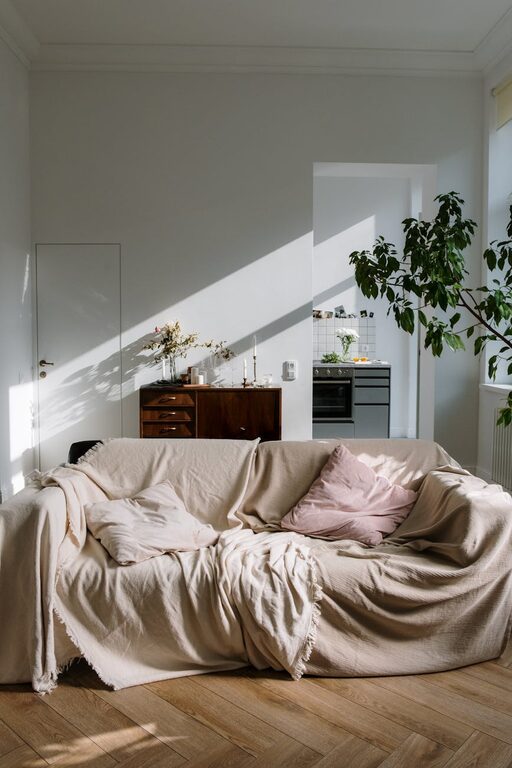
Good lighting is essential for both comfort and productivity. Natural light is best, so if you can, position your desk close to a window. Use sheer curtains to soften harsh sunlight.
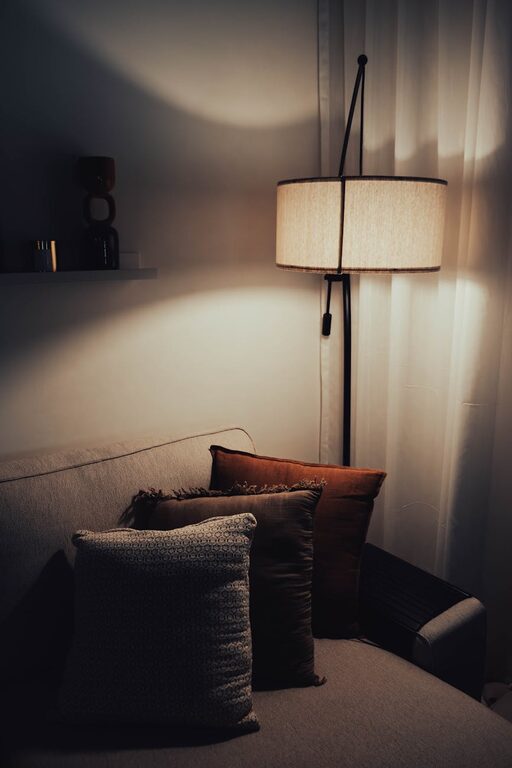
For darker hours or rooms with limited daylight, invest in adjustable desk lamps that provide bright but gentle light. Avoid overhead fluorescent lights that can cause glare and strain your eyes. Warm or neutral light tones tend to be easier on the eyes.
Keep Your Workspace Organised
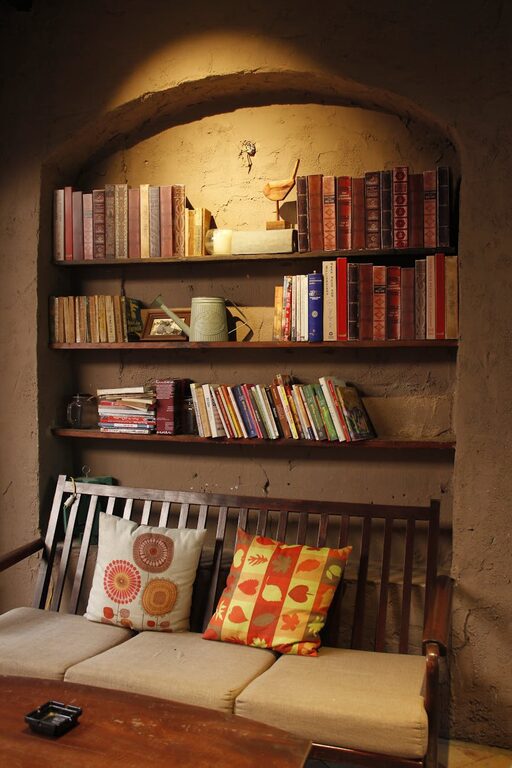
A tidy desk promotes clear thinking and reduces stress. Use storage solutions like shelves, filing cabinets, or drawer organisers to keep documents and supplies in order. Label boxes or folders so you can find things quickly.
Try to implement a daily tidying routine, putting away items you don’t need to keep your desk clutter-free. Cable organisers can also help manage wires and prevent a messy look.
Create Zones for Different Tasks
If your space allows, define separate areas for different types of work. For example, have one spot for computer work and another for reading or brainstorming. This can help you switch between tasks and keep things fresh.
You might also want a small area with comfortable seating for taking breaks or phone calls. Changing posture and scenery during the day can boost creativity and reduce fatigue.
Pay Attention to Acoustics
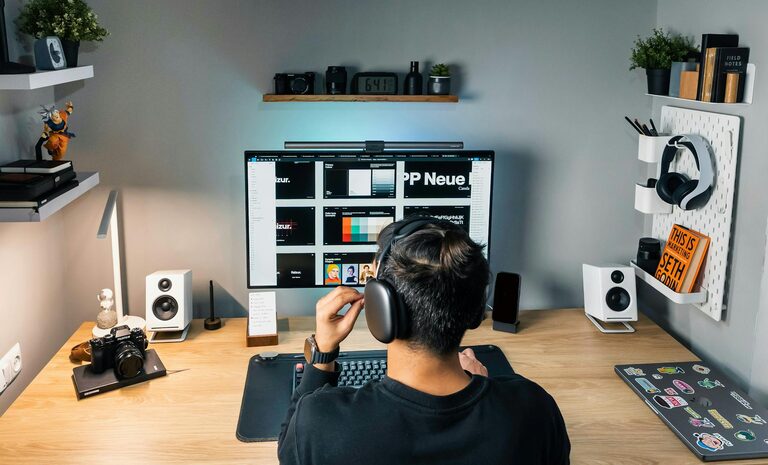
Background noise can be distracting. To minimise this, consider soundproofing options such as carpets, curtains, or acoustic panels if needed. Using noise-cancelling headphones or gentle background music can also help maintain focus.
Use Technology Wisely
Ensure your technology setup supports your work efficiently. This might include investing in a reliable high-speed internet connection, a good quality webcam and microphone if you have video calls, and sufficient charging points.
Keep your computer and software updated to avoid interruptions. Use productivity apps or timers to manage your schedule and tasks.
Prioritise Well-being
Finally, remember that your home office should support your health and well-being. Take regular breaks to stretch and move around. Make sure your chair and desk height encourage good posture.
Consider adding a small humidifier or air purifier to maintain a comfortable atmosphere. Staying hydrated and having healthy snacks within reach can also keep your energy levels steady throughout the day.
—
Designing a cosy and productive home office is about balancing comfort with functionality. By selecting the right location, investing in supportive furniture, personalising your space, optimising lighting, and keeping things organised, you’ll create an environment where you can work effectively and enjoy your day. With a few adjustments, your home office can become a place that inspires concentration and creativity alike.
About the Author